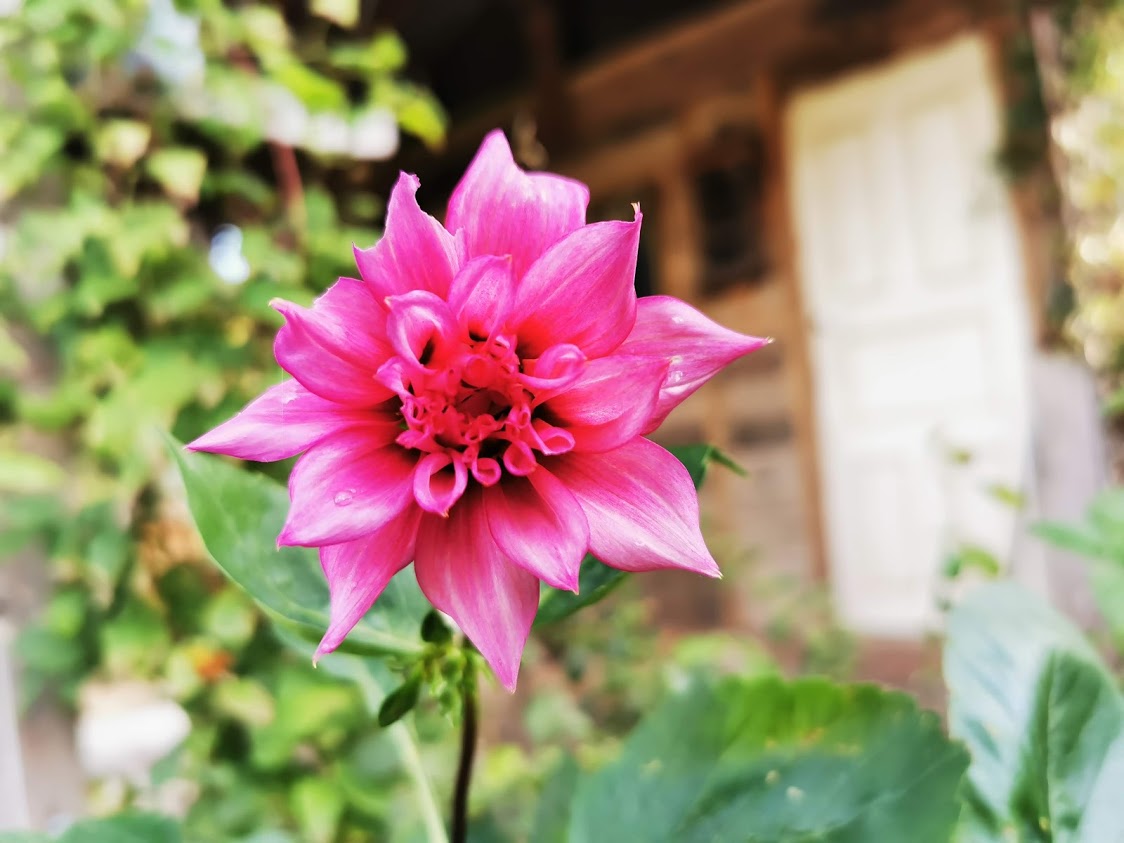
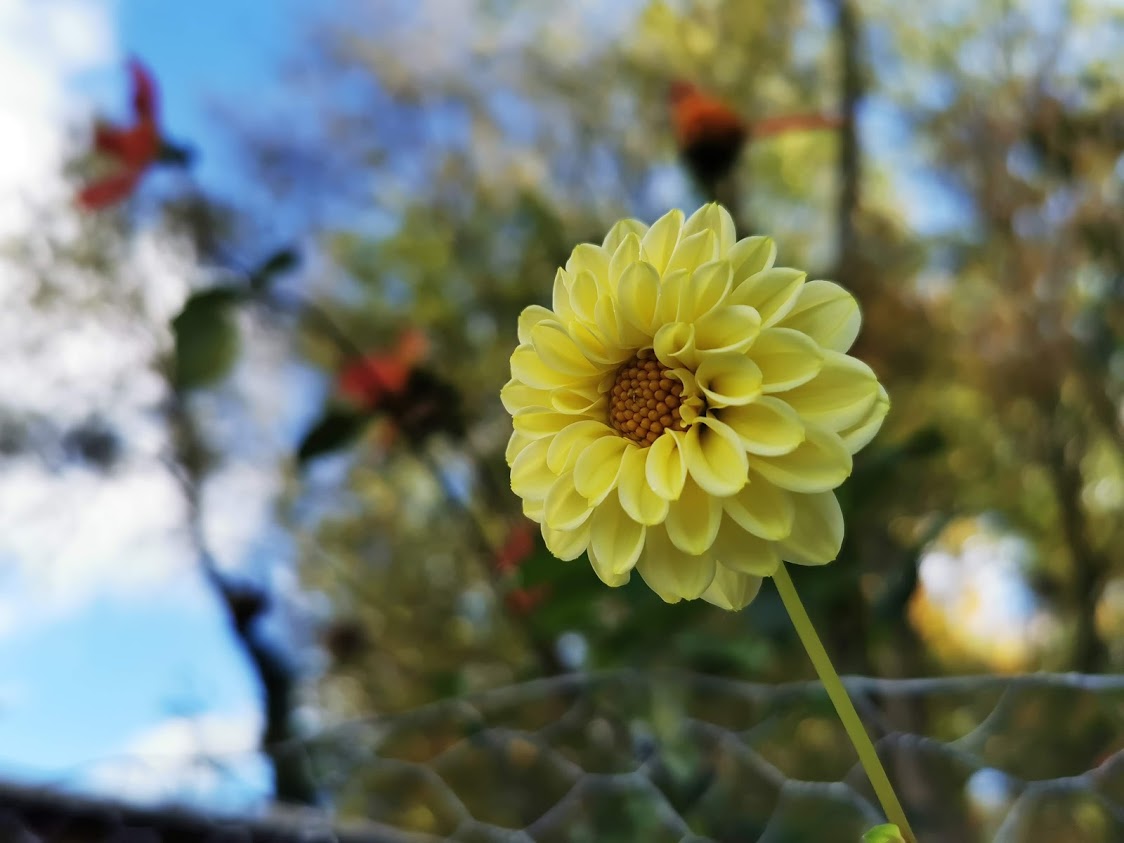
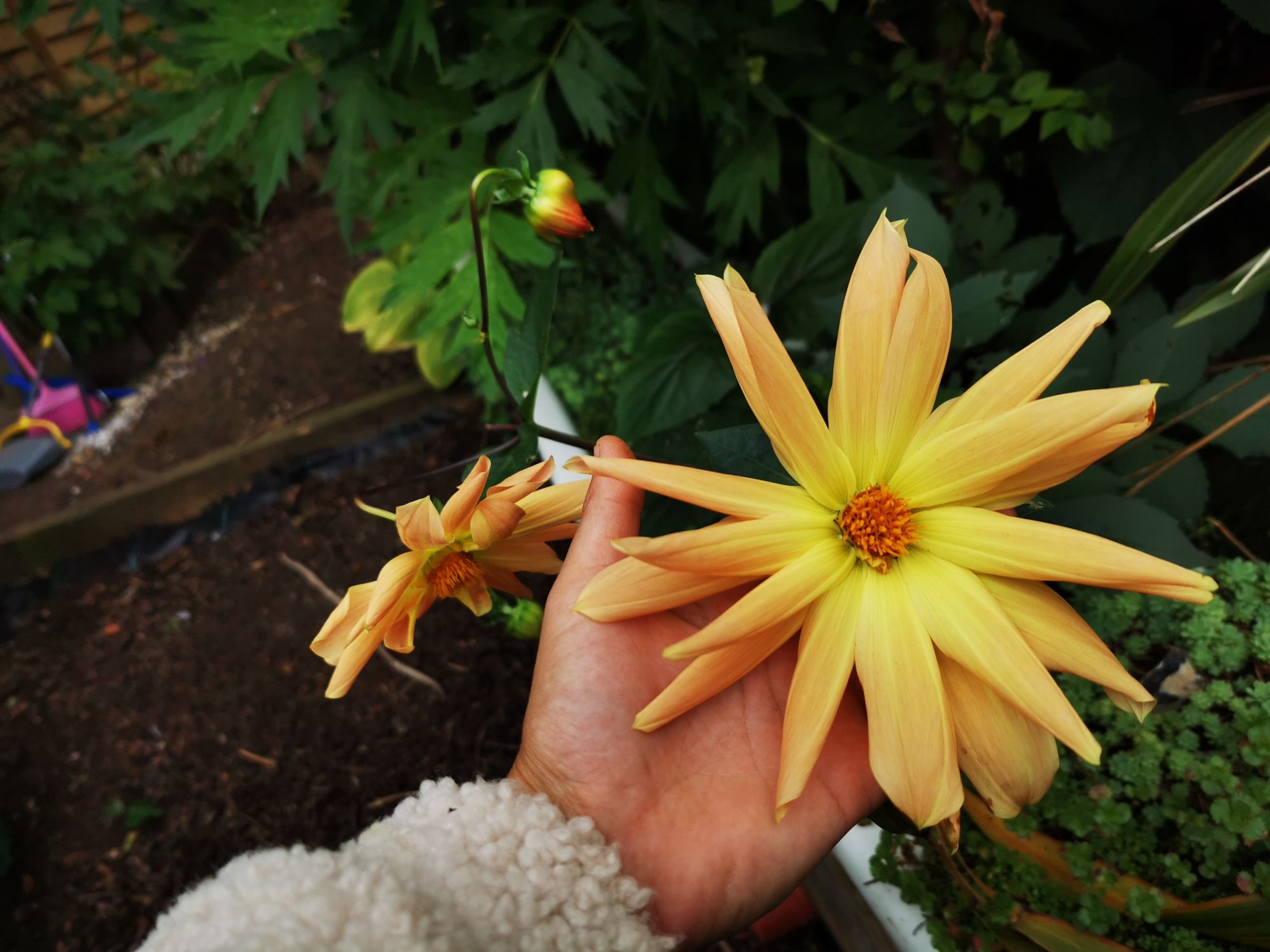
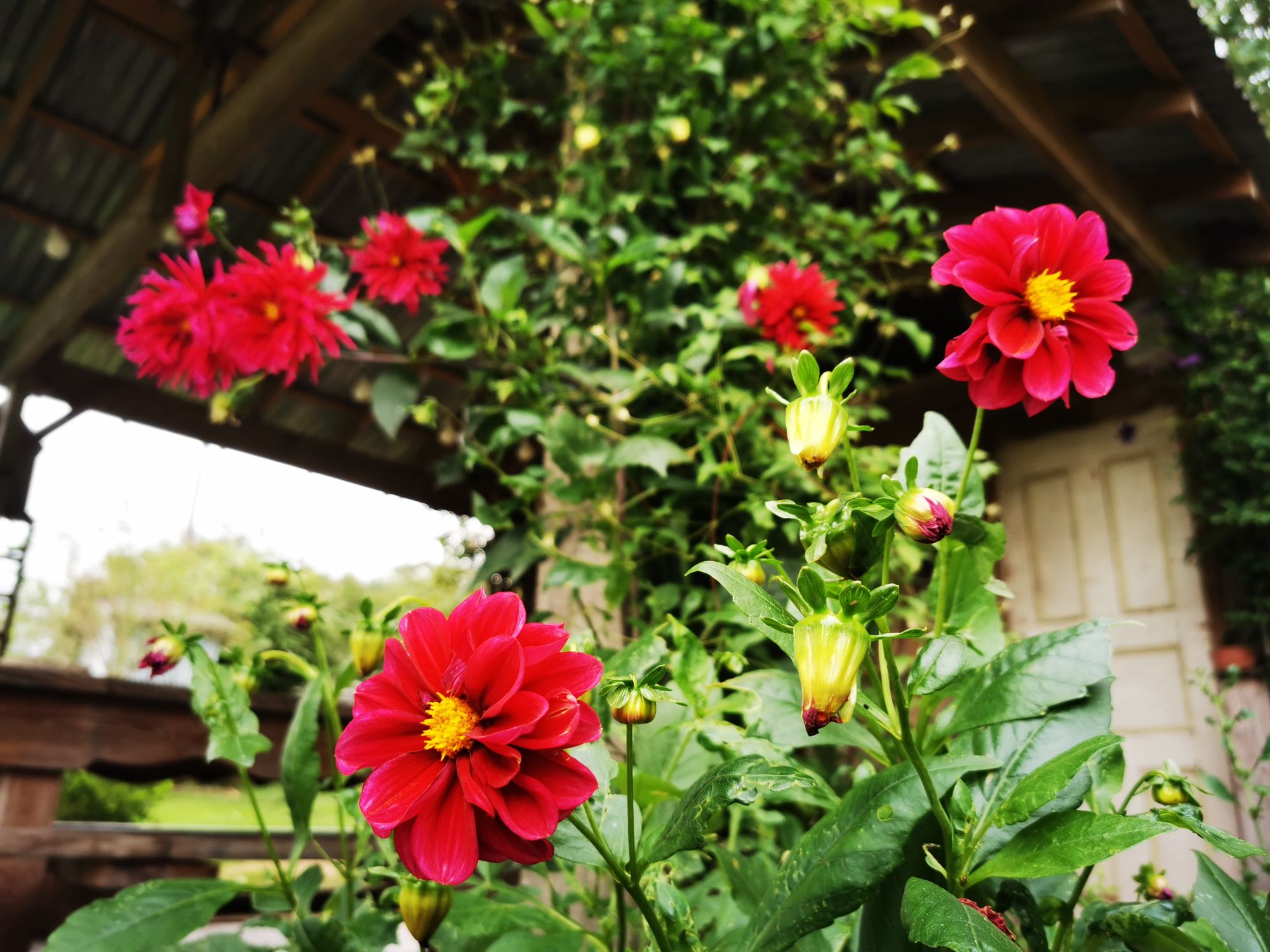
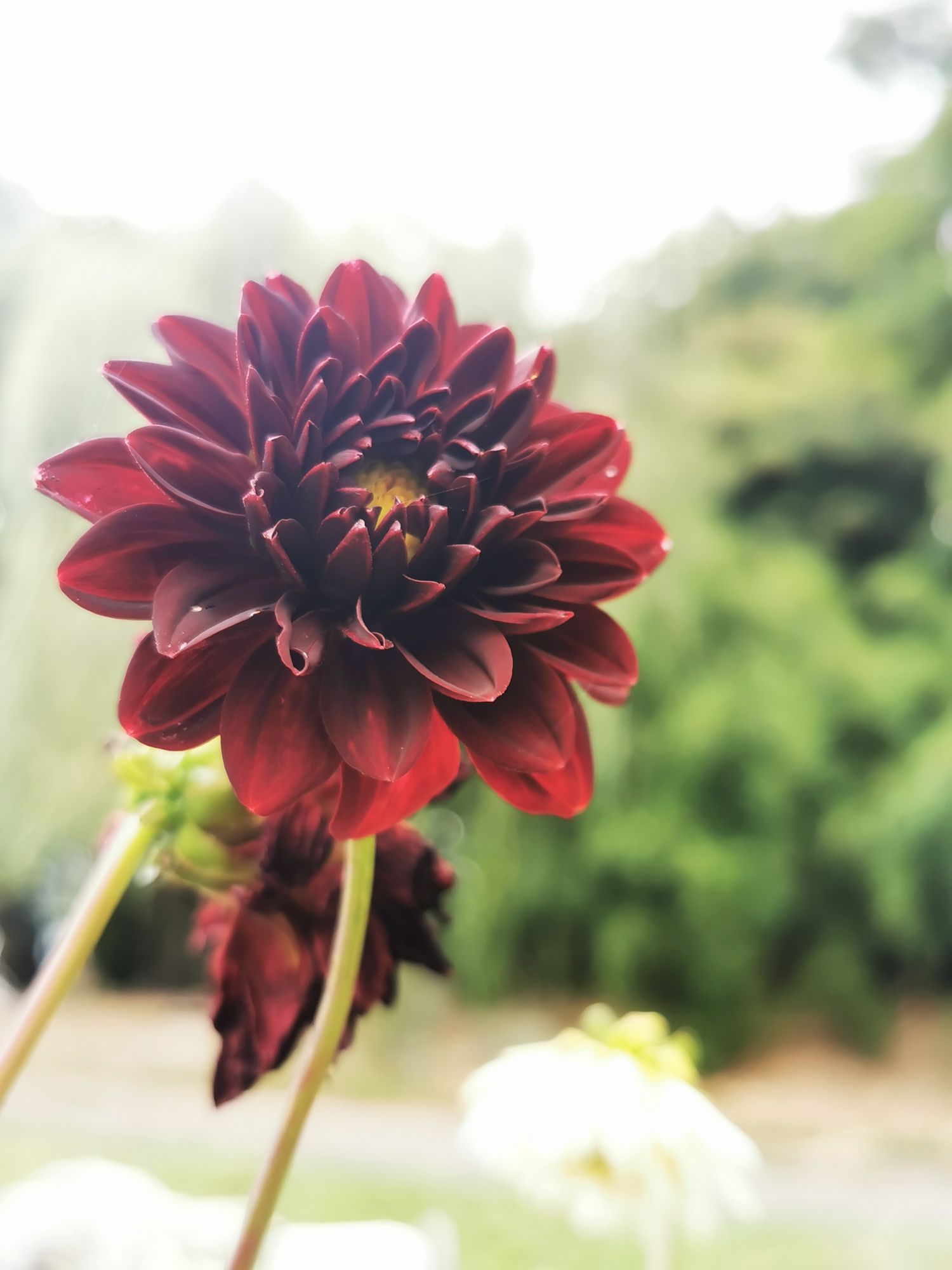
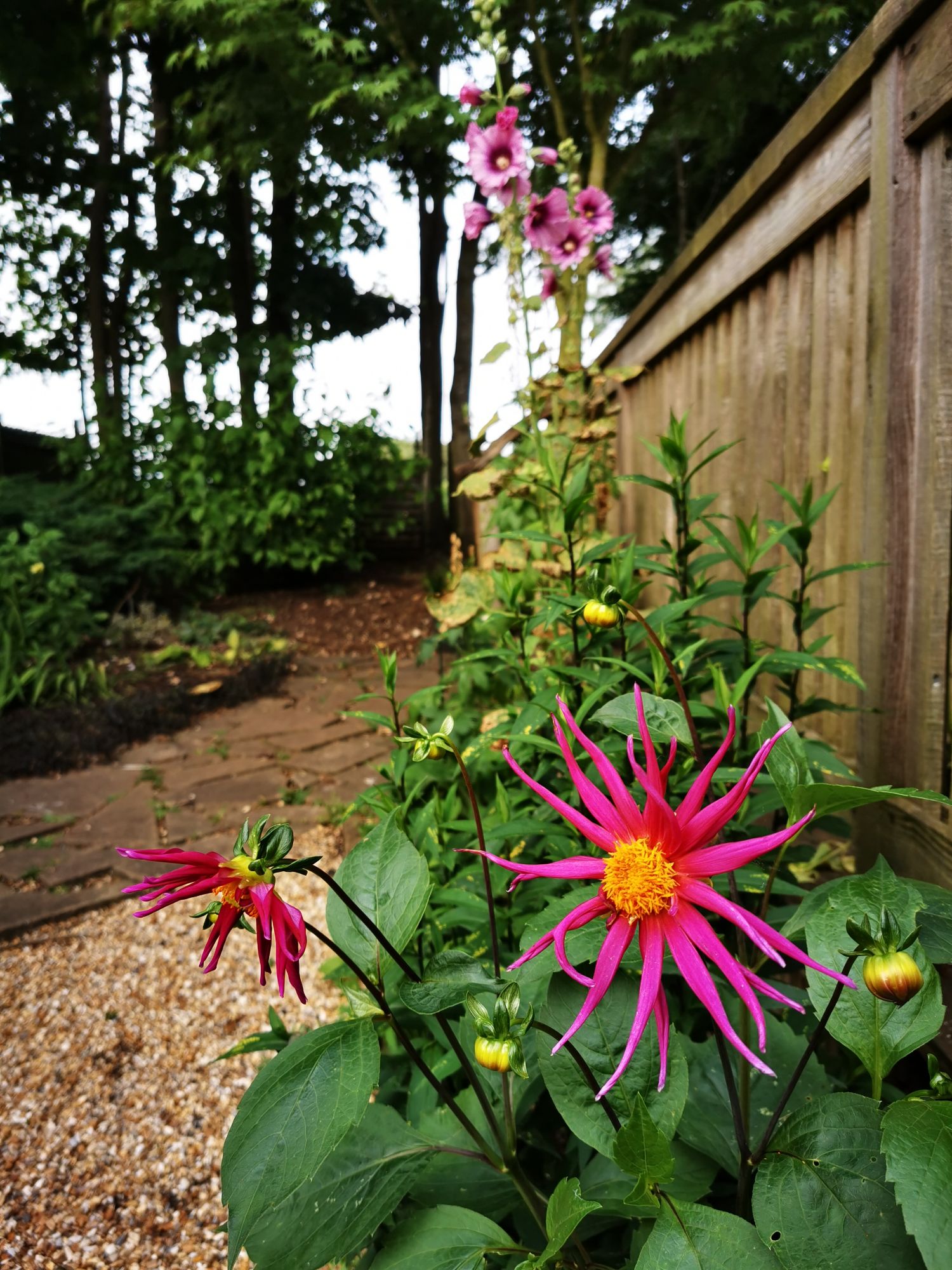
One of our latest plant obsessions is the Dahlia, since growing them from seed and realising just how easy it is to get many years out of these lovely plants.

Perfect for pollinators, as cut flowers and for bold borders, we absolutely love the diversity of plants that can be grown from seed.
I first attempted these many years ago, with a tray of seed under my living room radiator. It was so successful it led me to grow them every year since and as you collect your own seed at the end of each summer, you’re collecting a huge batch of genetics for the following year!
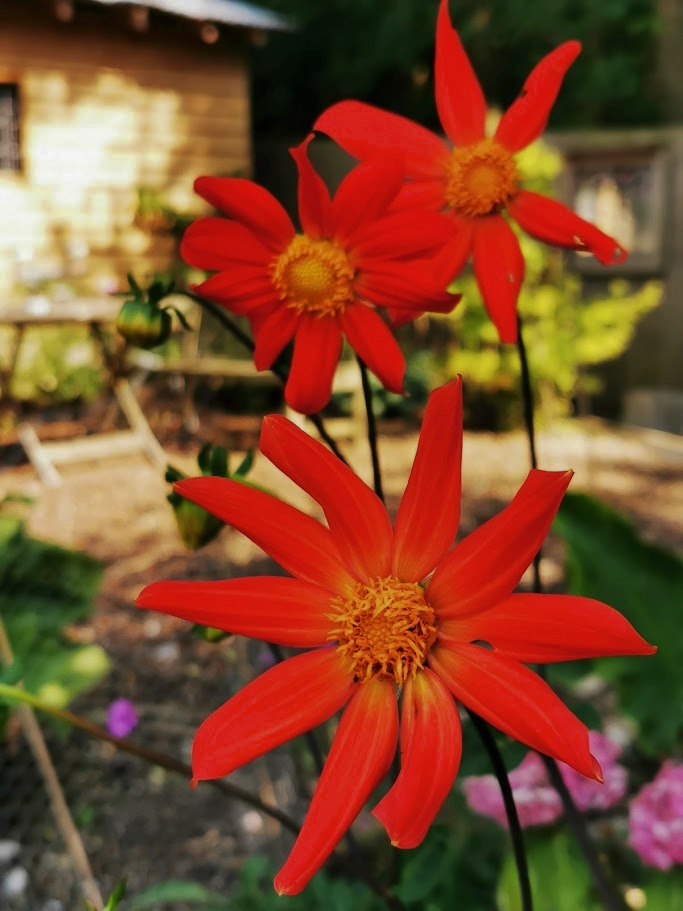
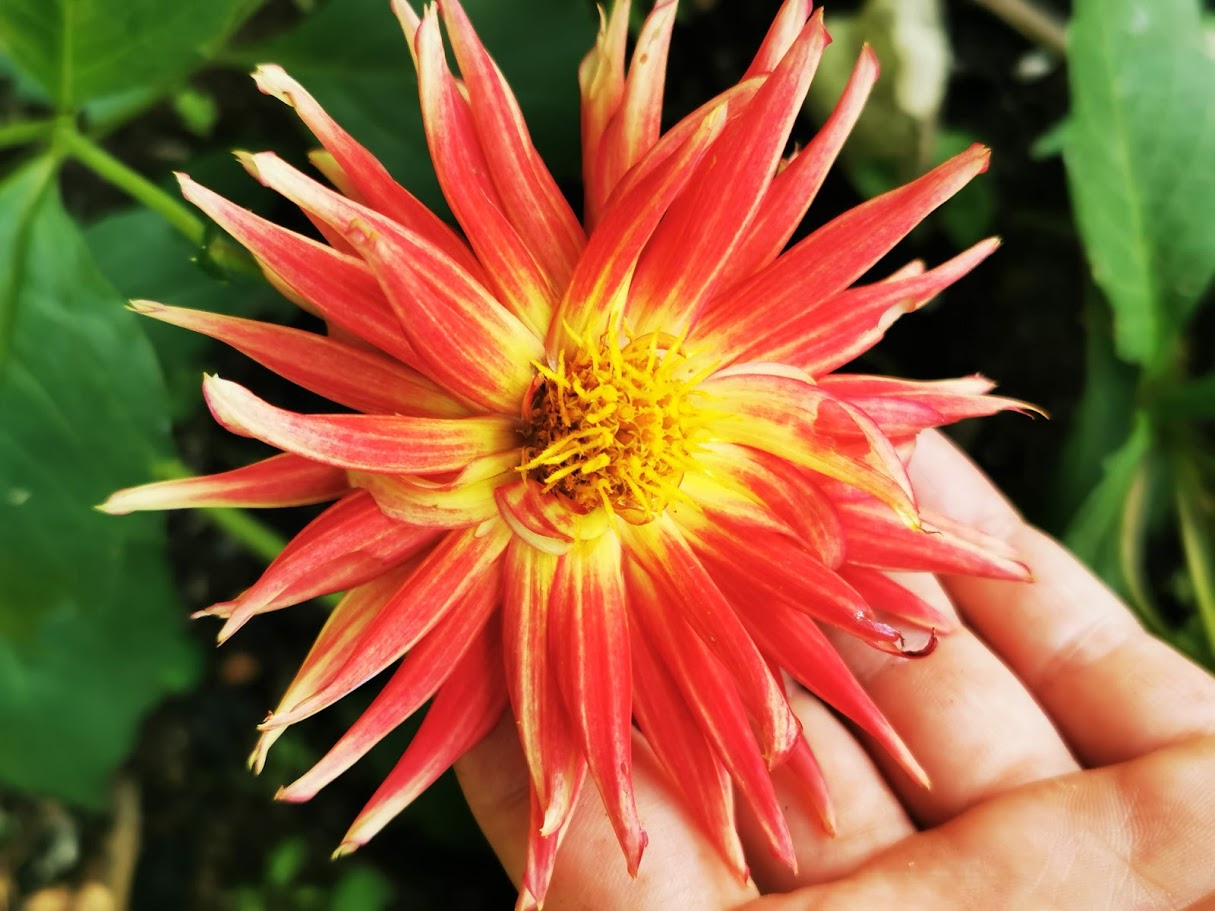
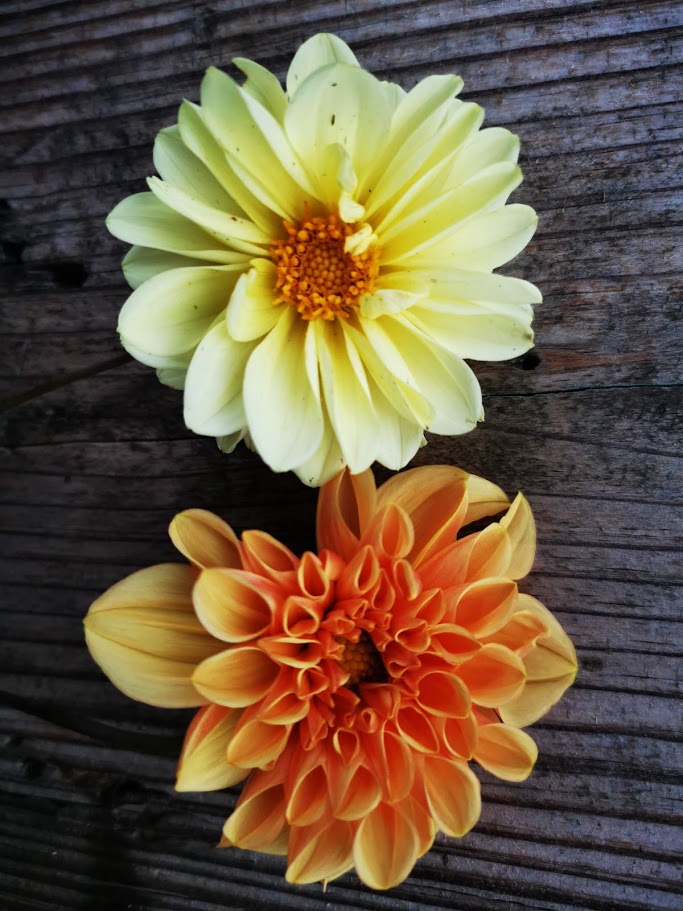
Dahlias will cross pollinate in the garden which means you never know what you could get!
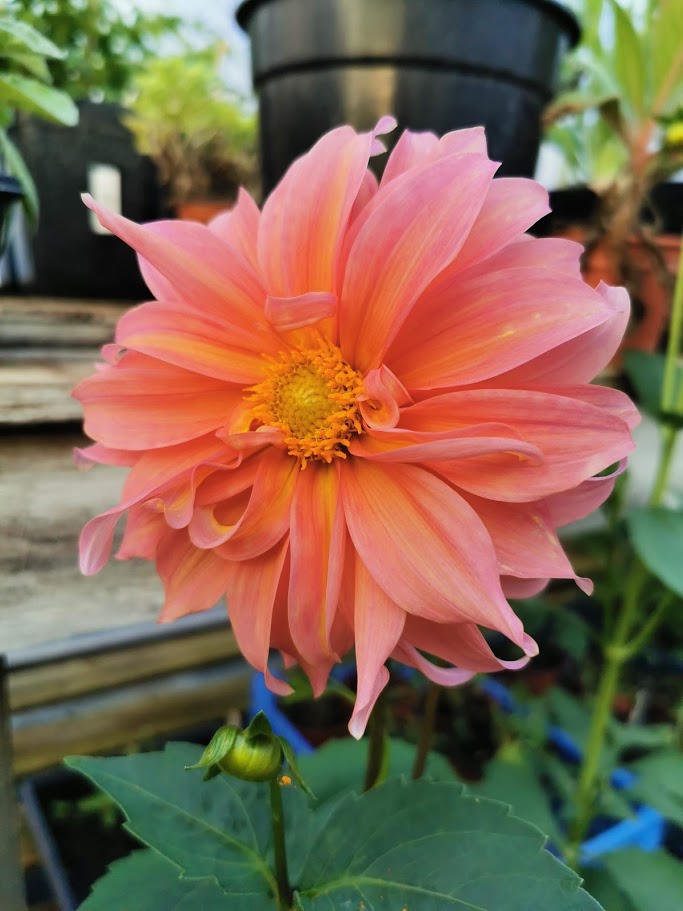
An essential flower for any gardener who wants to encourage the bees! These flowers are bold and dramatic, attracting so many pollinators to the garden!
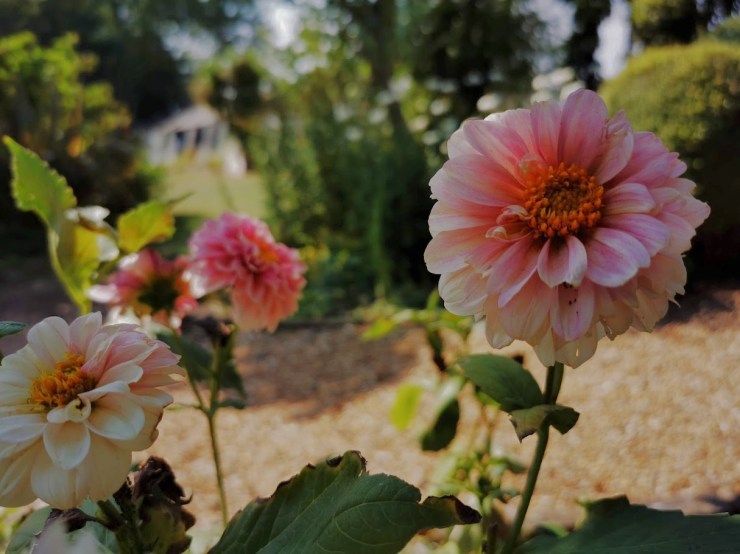
Overwintering Dahlia Tubers
We dig up the underground tubers of our favourites when they finish flowering and bring them into a dry area. If you have space, you can put your tubers into sandy soil or sawdust and keep dry and frost free. Before we had the polytunnel, I used to store them with newspaper inside an old shoe box and keep them in the house somewhere dark.
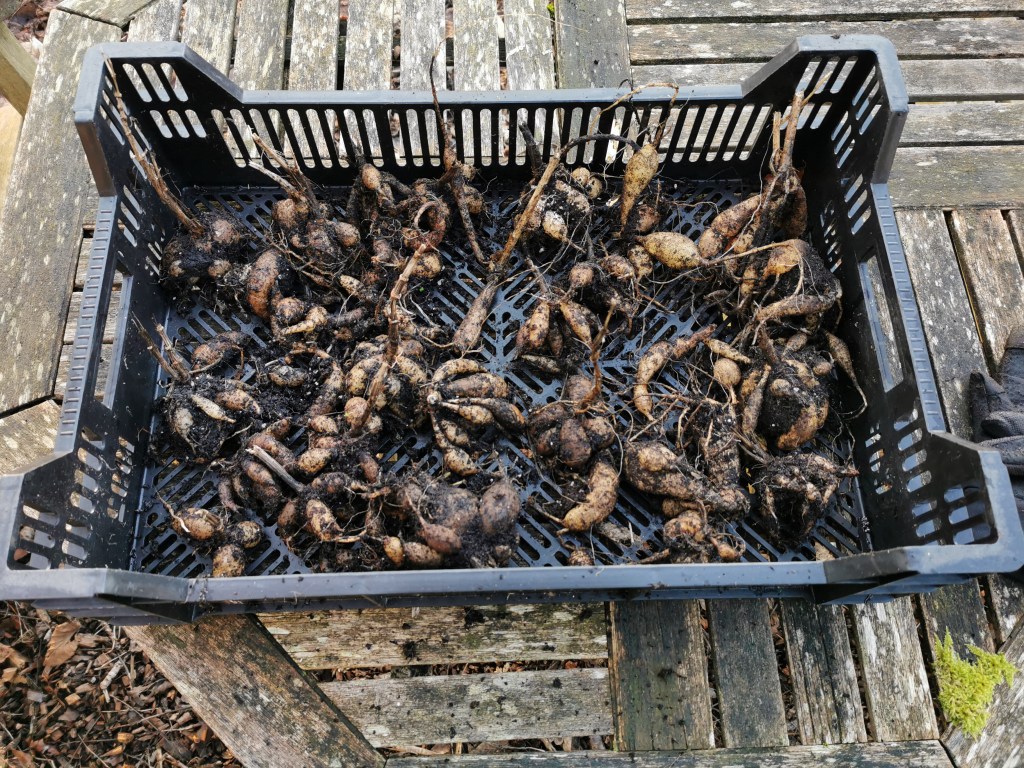
You can separate the larger tubers at this point to create a whole new plant for free!
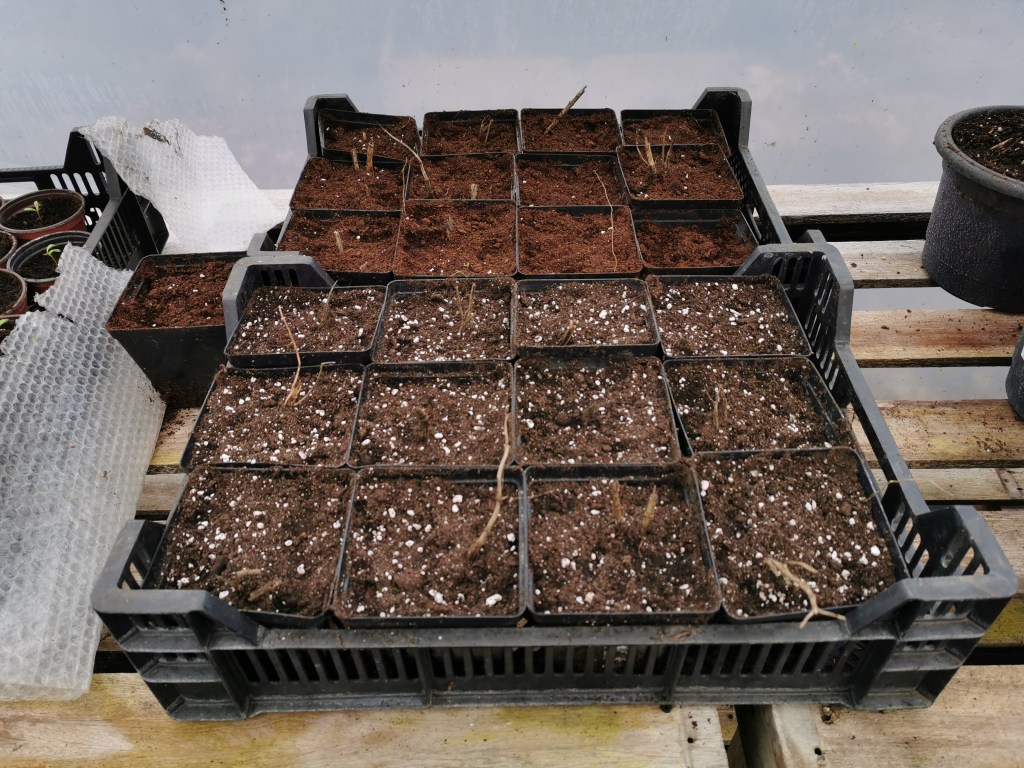
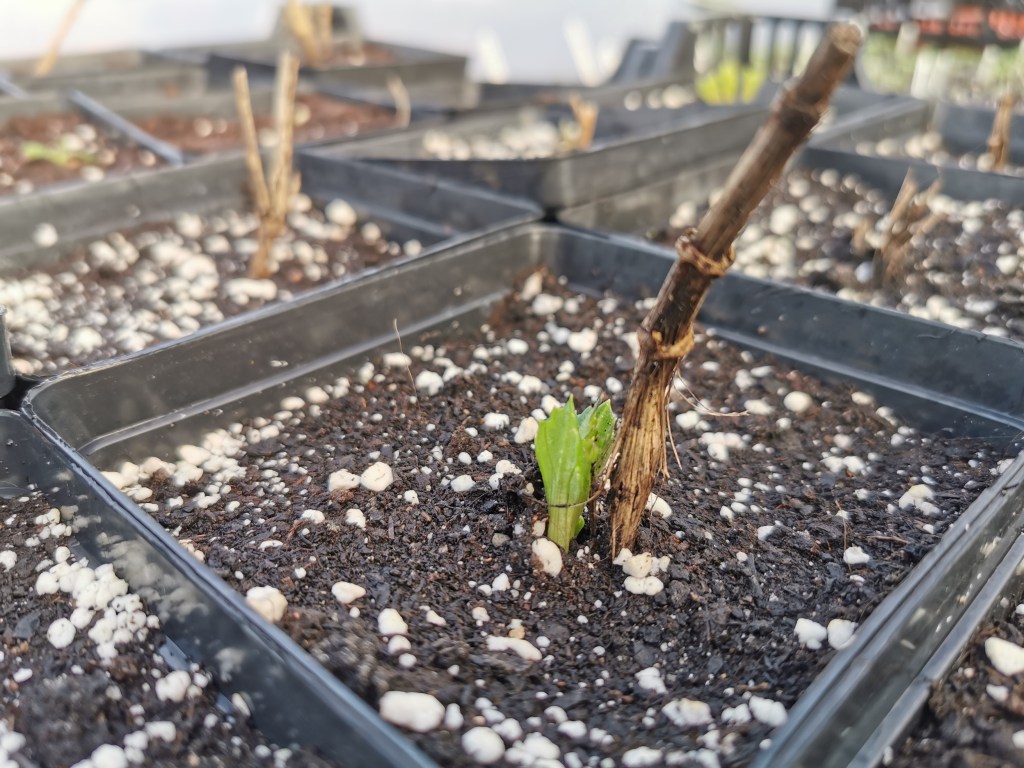

We usually leave our tubers in the ground here as they survive in our climate and grow stronger every year. However we grow a lot of dahlias in pots as we sell them in the nursery every year.
We grow more Dahlias from seed every year!

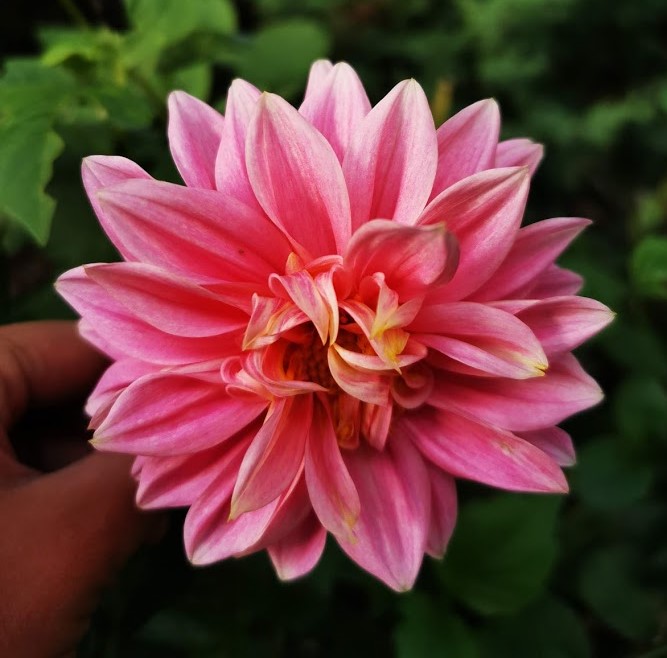
Most of our tubers left in the ground here in the south of England do survive just fine and come back stronger every year!

Tips and Advice
What we have learnt
Tall varieties will benefit from support. Plant supports can be bought online or in garden shops and can be placed around the young plant in Spring, allowing multiple branches to grow with less risk of tumbling over
Plant in rich soil that drains well. We don’t find these plants to be too fussy and have grown them successfully in both good and bad areas of the garden. You’ll often see Dahlia tubers unsold at the garden centre in early summer, sprouting into healthy plants inside the plastic packaging with absolutely no soil or watering! Generally they like a rich soil with good drainage so as not to get waterlogged or they can easily rot.
You will benefit from giving them an organic plant feed in Spring to give them a strong healthy start, or alternatively add a high quality compost when planting! We mulch ours every year in autumn with homemade compost from our Wormery and this provides a slow release feed which also builds soil structure and creates a low maintenance garden! Click here to read about how we harvest hundreds of litres of worm castings every year! If you aren’t able to compost at home, a very high quality liquid feed that shows results almost immediately, is one made by Natural Grower and it is as close to our homemade comfrey fertiliser that we have used to date.
Grow from seed! There are many different varieties available to grow from seed and we would recommend it to anyone. My recommendations to get started would include PomPone Double Mix and Cactus Mixed. This would give you a really diverse selection of flowers. We start the majority of our dahlia seed in February on our heated seed bed inside the polytunnel, but a simple windowsill propagator can easily do the job. They like to be warm and humid and once they pop through, will grow quite quickly. If your not in any hurry, you can wait until the frost passes (mid May for us) and grow them straight outside!
Choose dwarf varieties for growing in pots. There are many shorter growing dahlias that can be grown from seed including Unwins Dwarf Mix which grow to a maximum of 50cm, perfect for growing in containers as they don’t need plant supports, and the flower heads aren’t so big they keel over. When it comes to collecting tubers, they are also much more accessible as there is no digging required! However, they will be more vulnerable during wet weather and harsh frosts which could kill them off even if you have other dahlias that survive in the ground. Avoid this by using a very well draining soil. Plants grown in pots will inevitably run out of nutrients so regular feeding will be beneficial.
Deadheading is beneficial if you want to encourage more blooms to follow. We cut a lot of our blooms for the vase which saves time on deadheading duties and brightens up the inside at the same time!
Save your own seed for random natural selections the following year! Once they have finished flowering and the petals have all fallen, cut off the mature flower head and pop it in a paper bag or envelope, and store somewhere cool and dark until sowing in Spring.
Split your tubers to get more plants for free! It may take a couple of years for your plants to produce bunches of tubers but when they do, you’ll be able to separate them and transplant to other areas of the garden, or swap with friends! The flowers from a tuber grown dahlia will result in a replica plant as opposed to seed which has genetic variation.
Protect from slugs and snails as they can easily eat through young plants which can be very frustrating. If you don’t have the ultimate slug patrol (ducks!) like us then you can try to prevent them by planting in open, dry areas of the garden and surrounding the base of the plant with crushed egg shells.




More from the blog
- My top five favourite chilli peppers to grow from seed every year!
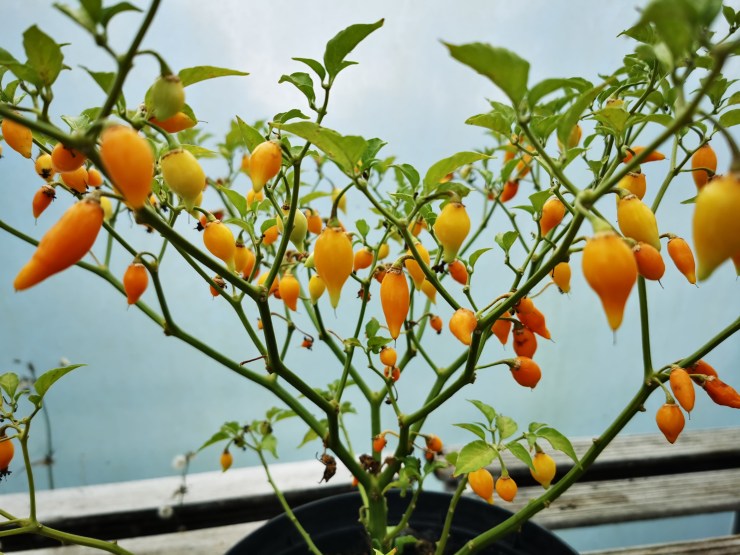 After many years of growing chillies I can’t help but have my favourites and every Spring I find myself planting the same varieties in prime spot of our raised beds. We still grow new and experimental varieties each year but they are usually grown in pots on the side and are judged on how well … Continue reading My top five favourite chilli peppers to grow from seed every year!
 - Our favourite plants to forage for making unique Christmas wreaths
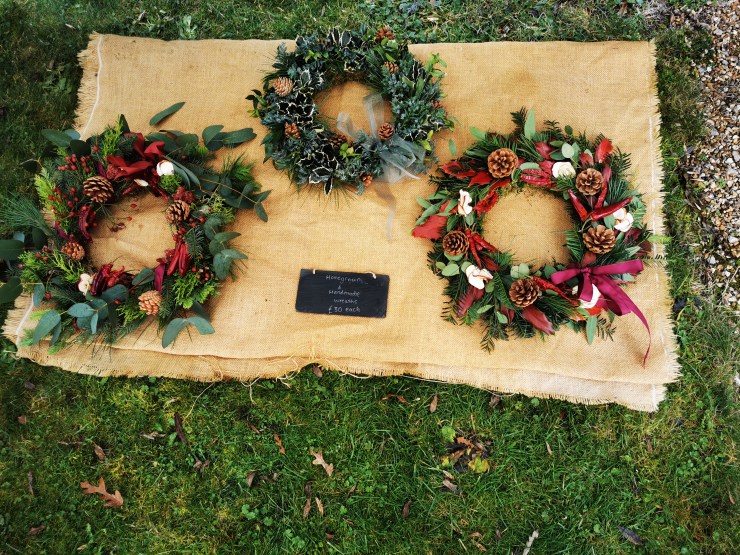 Autumn provides an abundance of colour and textures in the garden, arguably the best and most stunning season, many plants, shrubs and trees make perfect materials for diy festive wreath making! It has become very trendy around here to attend a ‘wreath making’ class during the run up to Christmas but they often charge a … Continue reading Our favourite plants to forage for making unique Christmas wreaths
 - Harvesting compost from our worm farm that recycles waste into ‘gardeners gold’
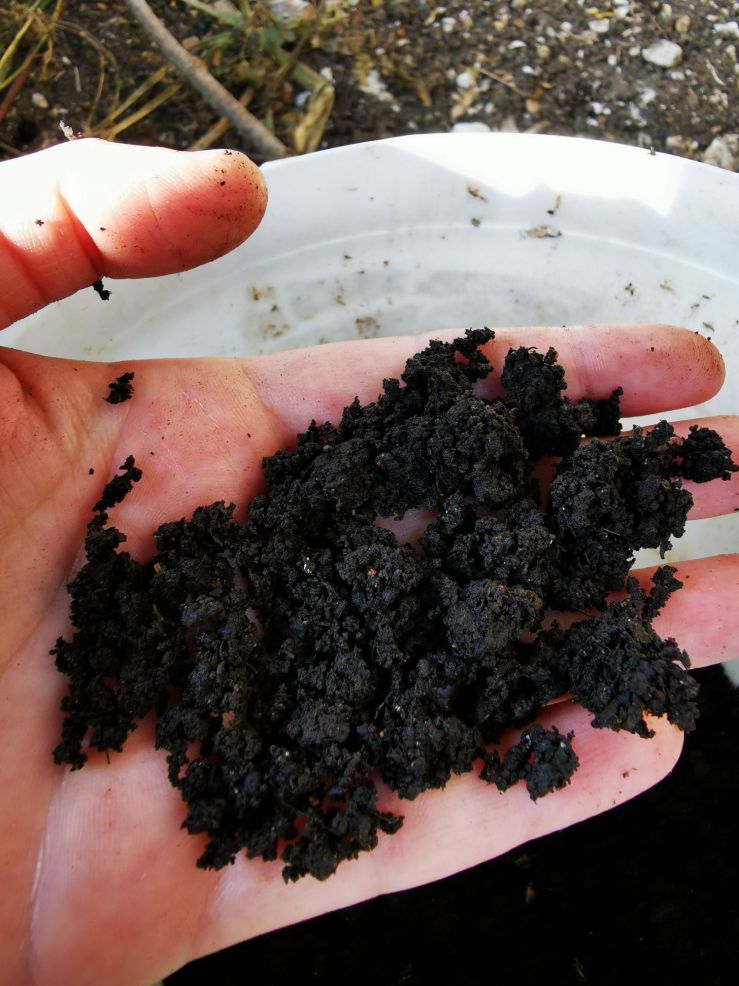 Our wormery has been up and running for several years now and we have learnt a lot about how to keep the worms happy and productive, and what are the best materials to use. Luckily for us, worms are very much into many foods that are usually wasted and so creating the most amazing compost … Continue reading Harvesting compost from our worm farm that recycles waste into ‘gardeners gold’
 - Our best ever cucumber harvest in the Polytunnel!
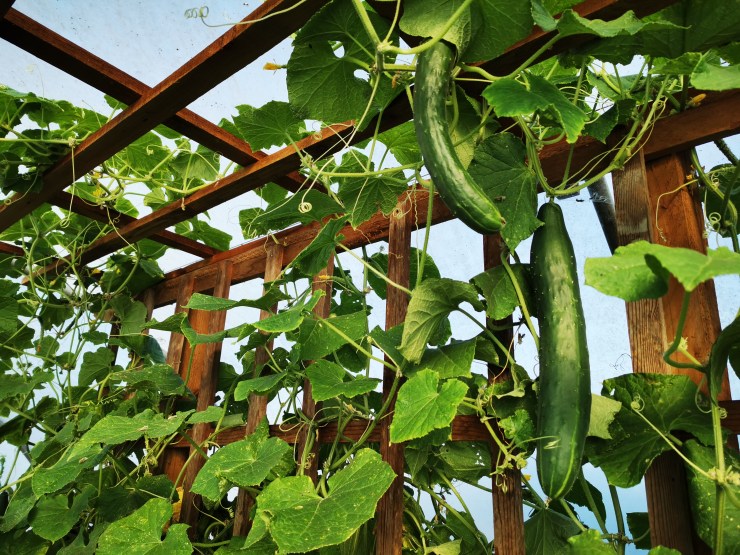 Our raised beds in the polytunnel are now in their fourth year and it is really showing. Growing in the Polytunnel is something we have been documenting since we installed them back in 2018. We have trailed many plant varieties over the years and have had some interesting results. I have mostly posted about growing … Continue reading Our best ever cucumber harvest in the Polytunnel!
 - Autumn In the Polytunnel
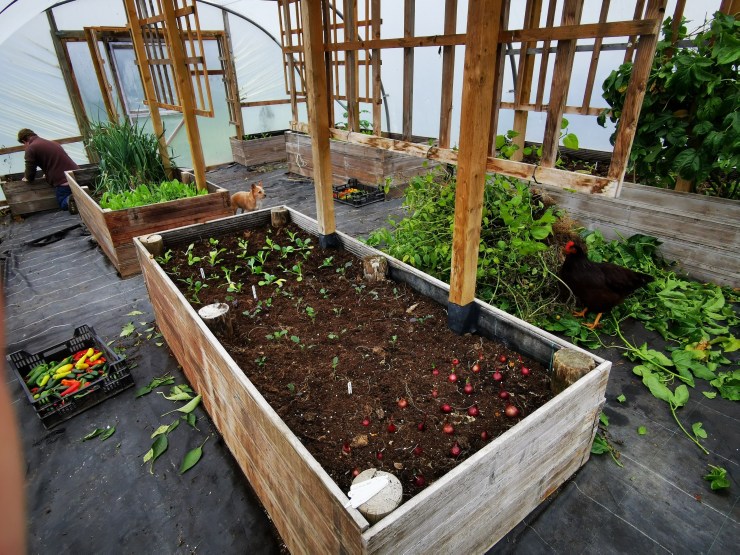 The nights become chilly and the mornings frosty, the polytunnel has had another hot summer and is finally cooling down. Space is filling up with tender plants in containers and our fruit and veg growing in the raised beds are coming to an end and soon to be replaced with winter crops that are grown … Continue reading Autumn In the Polytunnel
 - Polytunnel Progress: Building a Heated Seed Bed
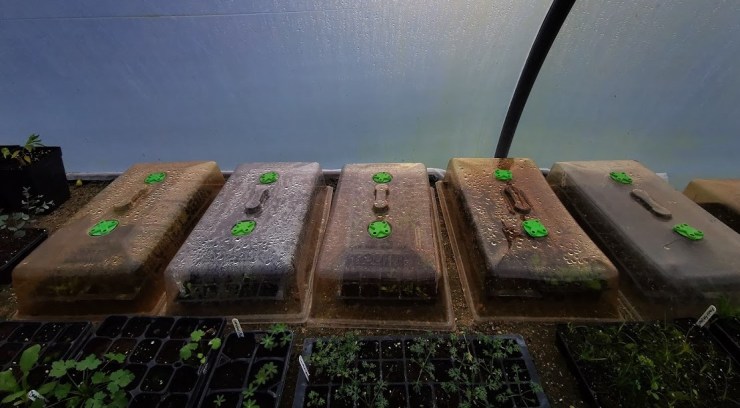 Going into 2020 we decided that a heated seed bed inside the polytunnel would be amazing for starting seeds early in the year without having to sacrifice our indoor space! There are many plants that do not require such early start but we will be focusing on those such as Chilli Peppers and Sweet peppers … Continue reading Polytunnel Progress: Building a Heated Seed Bed

 Homegrown and Hopeful