Our wormery has been up and running for several years now and we have learnt a lot about how to keep the worms happy and productive, and what are the best materials to use.
Luckily for us, worms are very much into many foods that are usually wasted and so creating the most amazing compost only takes a little of your time here and there gathering materials, but is satisfyingly free!
If you’ve read our page about ‘the wormery’ you’ll see how it was set up to have several sections that are all accessible to the worms and can be harvested from individually.
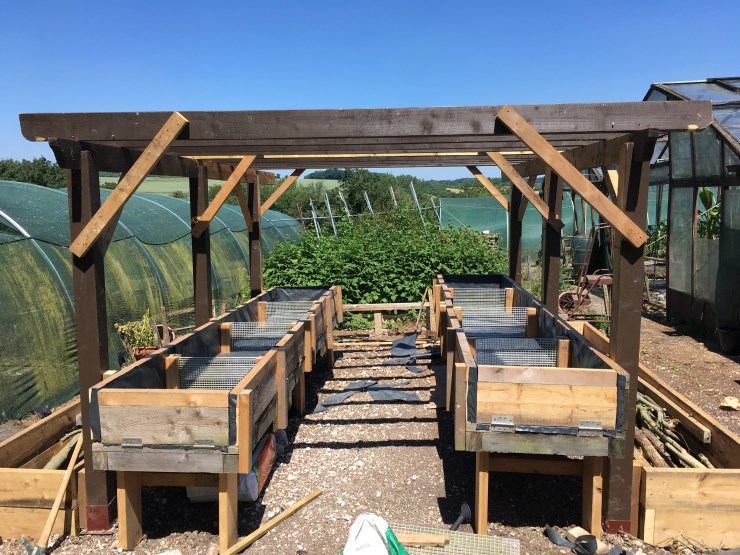
This means we can feed one or more sections and then when we stop feeding one, the worms will leave the section naturally on the hunt for food and it can be harvested.
The cover is removed to allow sunlight for a day, as this makes the worms dive deep into the darkness of another section before we harvest.
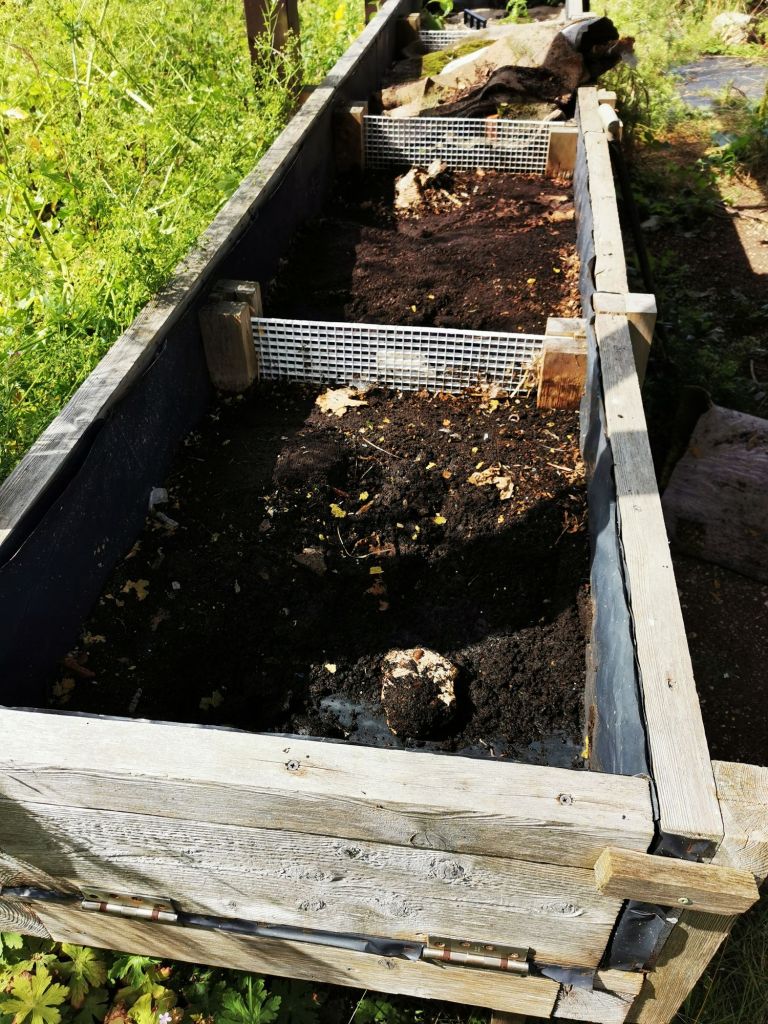
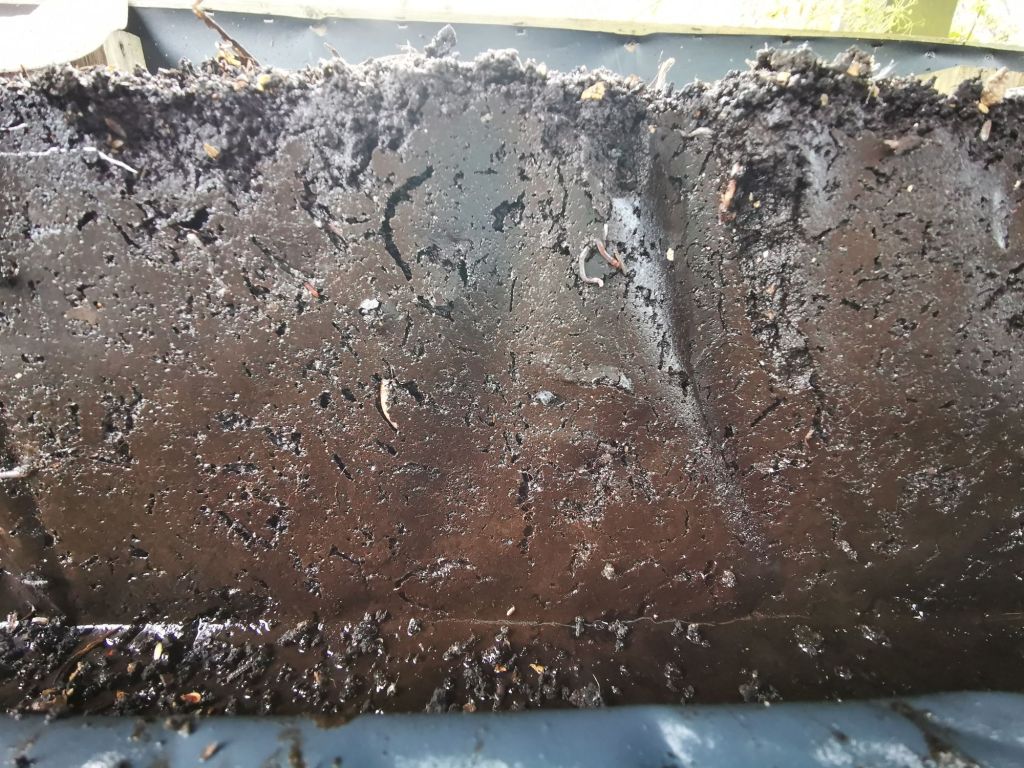
The harvested soil known as ‘worm castings’ is very dark and nutritious, which is why it is often referred to as ‘black gold’. It is heavy due to having been kept continuously moist for months and is fairly compact after the worms have finished with it.
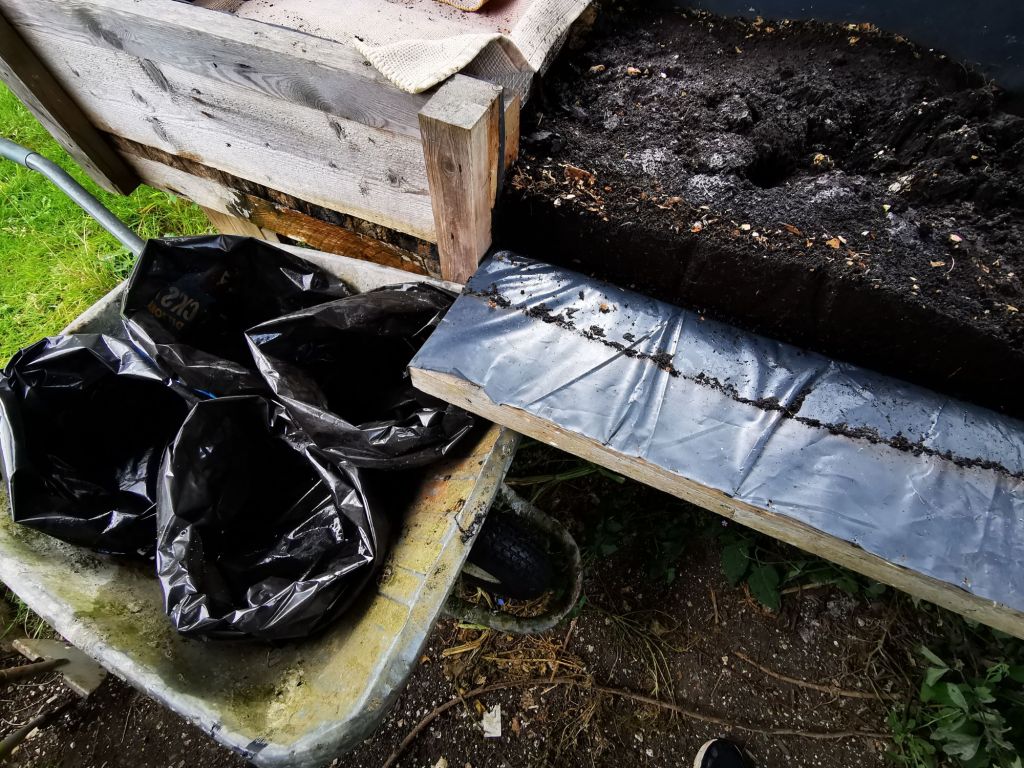
We shovel the compost into bags and leave them to dry out a bit for a couple weeks undercover.
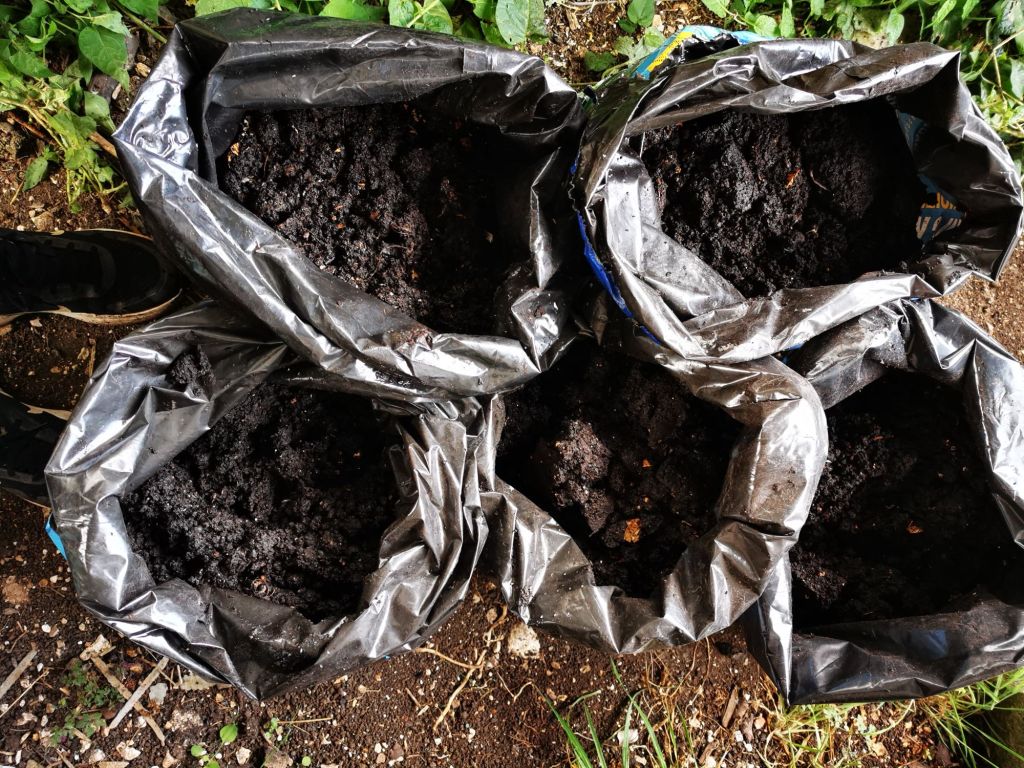
After a few weeks, the compost has lost a bit of water weight and now breaks down nicely into a finer, crumbly texture.
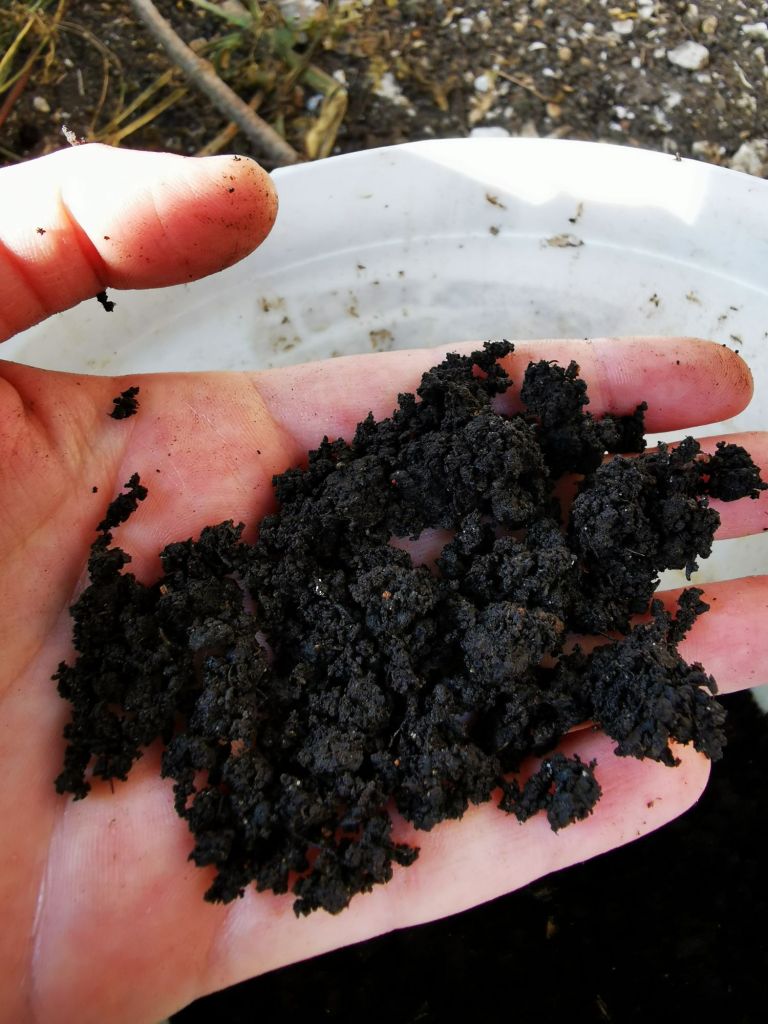
Worm castings are mostly sold as a ‘soil conditioner’ because it is so fertile that it can be used in small quantities as an addition to your soil. It can be considered very expensive to buy compared to regular compost but that’s because it is in fact very valuable.
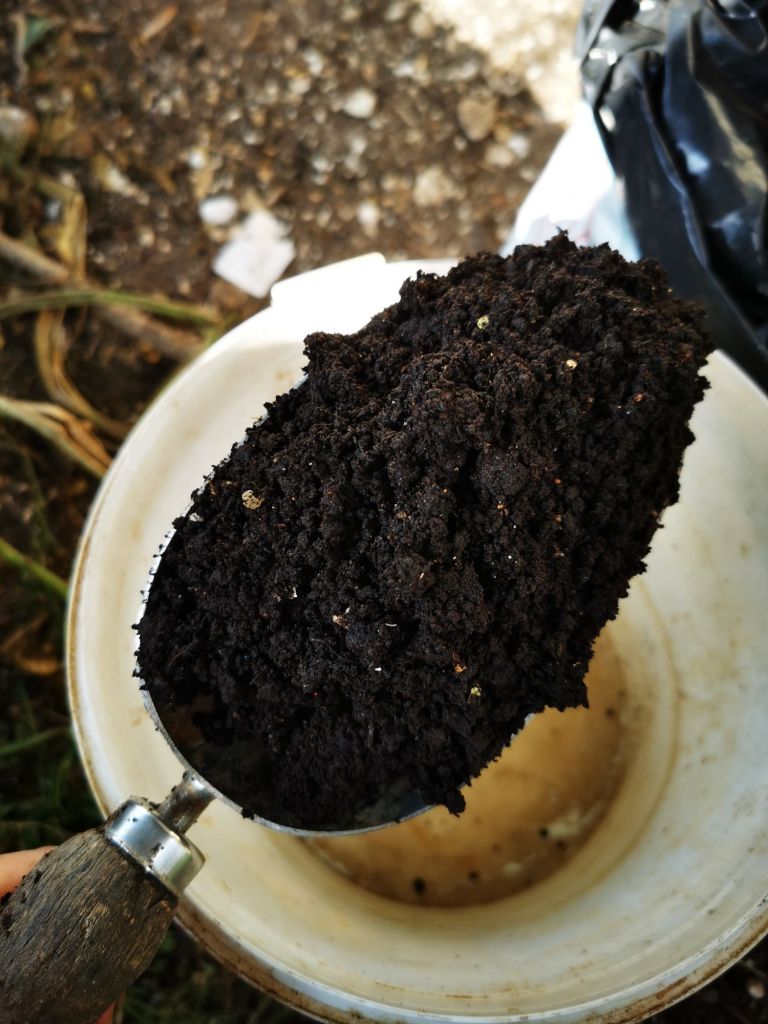
The end product known as vermicompost, has a granular texture and at this point is often sieved to a finer grade before using or storing. It has a mild, earthy smell and is almost fluffy to the touch. It provides water retention and aeration to plants which gives them a healthy structure. Full of life, this compost will release beneficial microbes and fungi to the surrounding soil.
Using the compost
- It makes a wonderful top dressing for flower and vegetable borders as well as in raised beds and containers.
- It is mixed together with homemade biochar and used to mulch our fruit trees in Autumn/Winter.
- We layer it into our raised beds in the polytunnel along with leaf mould and duck manure in early Spring to give our beds a healthy new lease of life.
- It can be used for potting up seedlings and young plants in containers all throughout the year and has become particularly popular for growing house plants.
- It can be added to the base of holes dug out for new plants in the garden, including shrubs and trees, as it supports root growth whilst your plants are settling in.
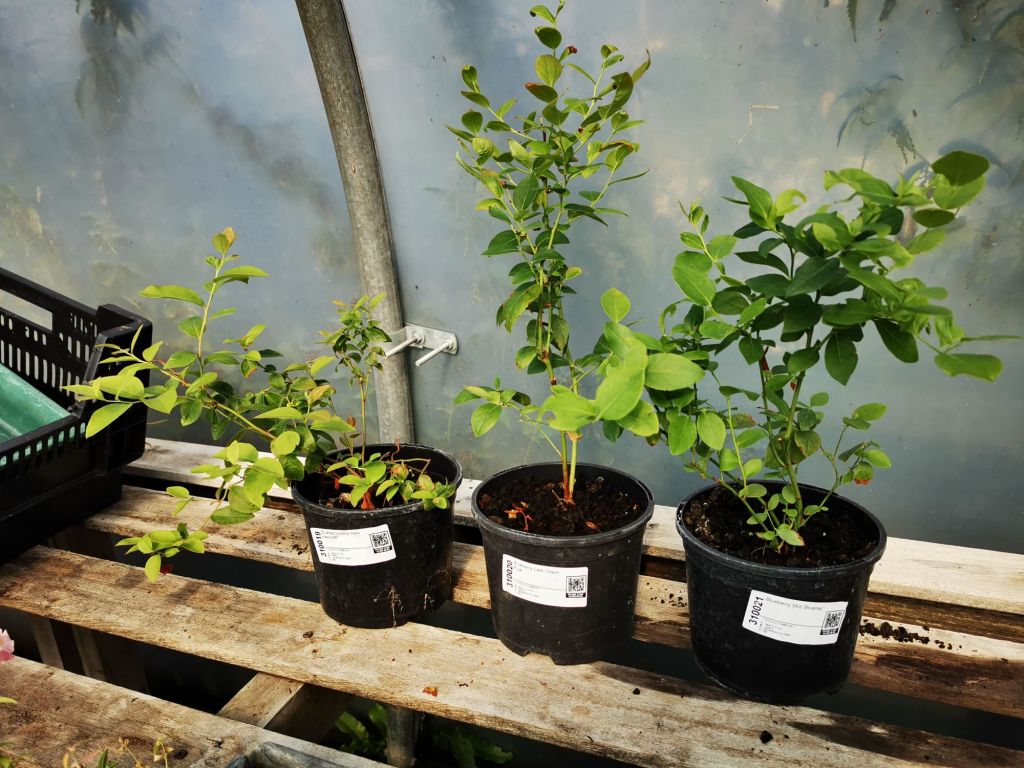
The castings act as a slow release fertiliser and provide a stable supply of nutrients, giving plants a very visible boost.
Start your own worm farm!
Our wormery is set up relative to our space and with the goal to include homemade worm castings in plants sold from our seasonal nursery, as well as feeding our gardens, it had to be big! But if you’re looking to produce compost on a smaller scale, there are many other options for creating worm castings at home and we think that’s it’s one of the most satisfying and effective methods of composting!
Before we built our large worm farm, we used a ready to go wormery like this one, which is essentially a smaller, vertical version of the method we used and is perfectly suitable to smaller spaces. It has a capacity of 100 litres which is divided into 4 sections. Once established this will give you 25litres of soil every few months, which is plenty enough for the average garden!
If you don’t have the time or space for a wormery but want to start using worm castings to transform your garden, they are becoming more available to order online as seen here.
Coming soon..
To learn about what materials we use for bedding and what we feed our worms throughout the year, check back on the blog soon for our next post ‘Restarting a section of the worm farm from scratch‘ and see how the whole process allows us to harvest hundreds of litres of compost every year!

 Homegrown and Hopeful
2 thoughts on “Harvesting compost from our worm farm that recycles waste into ‘gardeners gold’”